
Social responsibility
Our social responsibility focuses on our own employees, workers in our value chain, our passengers, and other city residents and businesses affected by our operations.
For us, social responsibility means taking care of the occupational well-being and safety of our own staff and ensuring effective dialogue between the employer and employee representatives. We also ensure the safety and ethical treatment of employees throughout our value chain. The transport services we provide are safe for both passengers and road users. We are good neighbours and aim to minimise the nuisances caused by traffic and construction.
Healthy, competent, enthusiastic professionals who are proud of their work deliver the best urban transport. That is why it is vitally important to us that our staff are well and our workplace is safe for everyone. Our operating environment is constantly changing. We prepare for these changes by offering our staff opportunities to develop their skills. All of our employees are treated equally and fairly, and we do not tolerate any type of discrimination or misconduct.
We have joined the UN Global Compact and are accordingly committed to implementing universal human and labour rights across all our operations. We require that our partners, subcontractors and suppliers also commit to respecting the same rights. We want to create a safe and healthy workplace and working environment for our subcontractors and contractors.
Our operations affect a very wide range of people, as we transport nearly 150 million passengers every year and operate in the heart of the city. Ensuring traffic and passenger safety is crucial for our operations, but we also want to be a good neighbour to everyone and minimise nuisances caused by traffic and construction.
Own workforce
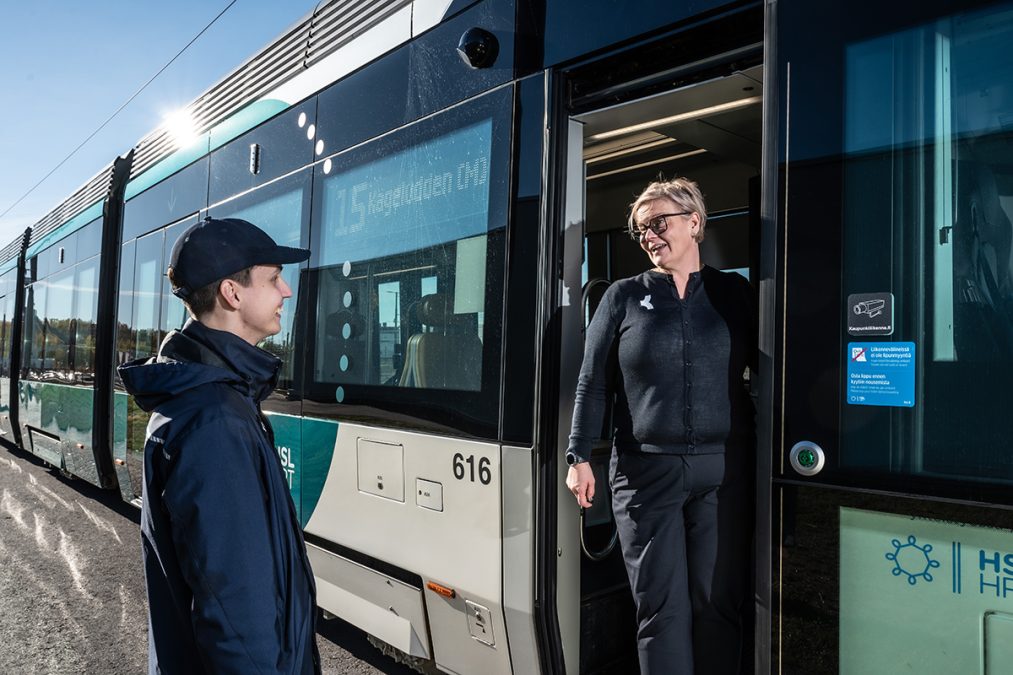
We are committed to creating a healthy and safe working environment for our own workforce. Our strategic objective is to become one of the most sought-after employers in the infrastructure and transport sector.
We are committed to creating a healthy and safe working environment for our own workforce. We train our employees in safe working practices and require compliance with instructions. We offer comprehensive occupational health services and proactive support for work ability and well-being. Developing skills and competencies is important to us. We respond to changes and continuously develop together. We encourage our employees to develop their skills and provide opportunities for professional growth. We value everyone’s expertise and foster a culture that supports continuous development. We value genuine interaction with employee representatives. Through cooperation, we ensure transparent and timely access to information and enable employees to participate in decision-making. We aim to promote open dialogue, trust and proactive collaboration in the development of our operations.
Our strategic objective is to become one of the most sought-after employers in the infrastructure and transport sector. We aim to ensure high-quality, professional management and supervisory work. We measure employee satisfaction through job satisfaction and leadership indices, based on the results of an annual employee survey.
Our objective is to identify, manage and prevent occupational health risks, reduce accidents and prevent work-related illnesses. We ensure that all work is carried out safely to avoid fatalities and serious accidents. We are committed to continuously reducing minor accidents in line with our zero-accident mindset. In risk management, our guiding principle is that no one should be injured at work.
| Objective/indicator | Result in 2025 | Result in 2024 |
|---|---|---|
| Sickness absence percentage | 5.0 | |
| Workplace accident frequency <11 accidents per million hours worked | 9.9 | |
| Job satisfaction index 57 | 52 | |
| Leadership index 67 | 60 |
We support our employees’ personal and occupational well-being, prevent incapacity for work and promote healthy, safe and sustainable careers. We work towards this through a long-term approach of proactive occupational health, early support, work capacity management, monitoring of work capacity, and timely support measures.
We are a partner of the Centre for Occupational Safety, and our employees participate in occupational safety and wellbeing card training courses. Our occupational health and safety management system has been certified to ISO 45001.
We aim to ensure that cooperation and dialogue between labour market parties is genuinely effective. We cooperate with social partners through established, regular operating models that ensure our employee representatives can operate effectively and independently, and reliably convey employees’ views. At the same time, we strengthen trust and openness in the dialogue between social partners.
Value chain workers
We want to create a safe and healthy working environment for our contractors and subcontractors.
We are committed to respecting the UN Universal Declaration of Human Rights and the core rights established in the eight fundamental conventions of the International Labour Organisation (ILO). We do not accept any form of child labour, forced labour or human trafficking. We acknowledge that we operate in sectors where human rights and occupational safety violations have been identified. We therefore require our partners, subcontractors, and suppliers to respect the same UN and ILO rights.
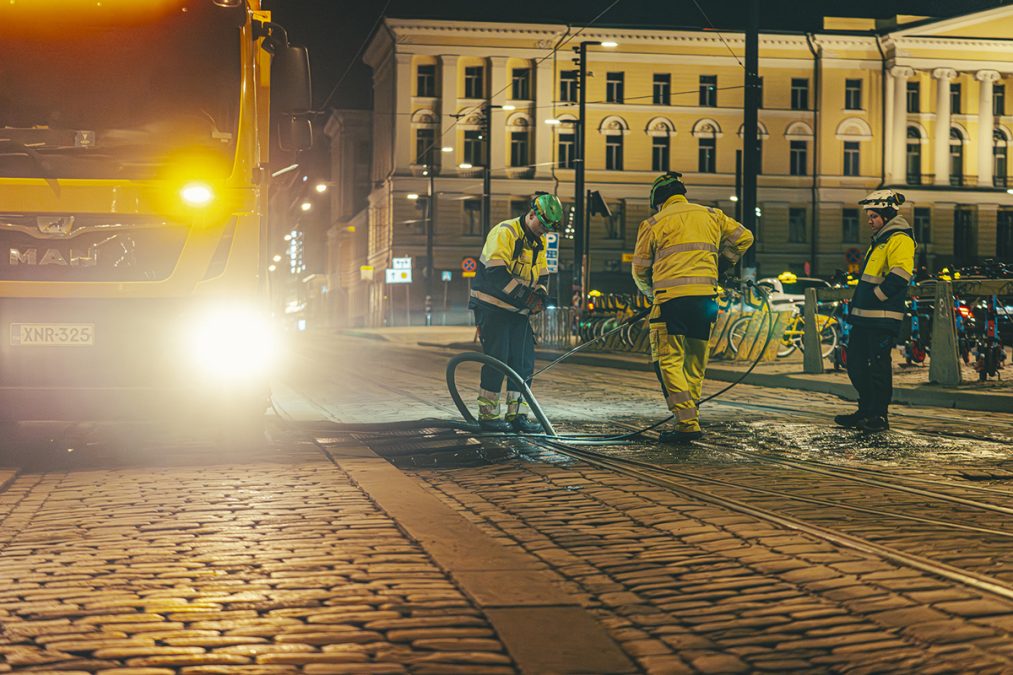
We want to create a safe and healthy working environment for our contractors and subcontractors. We require all of our partners to operate safely in all situations. We also provide safety inductions to our suppliers and subcontractors and ensure compliance with our safety instructions.
Our aim is to make economically, socially and environmentally responsible procurements in line with the principles of good governance. We aim to increase the proportion of procurements that include sustainability criteria in tendering processess 25% each year from 2027 onwards.
We also aim to develop our employees’ procurement know-how and strengthen our sustainability capabilities. We are also improving contract and supply chain quality management and providing better tools for monitoring sustainability requirements.
We take into account factors affecting the working conditions, health, and safety of workers in the value chain in our procurement processes. When making procurements, we require subcontractors and contractors to provide evidence, in accordance with the Contractor’s Obligations Act, of the applicable collective agreement or key terms of employment. Other procurement criteria related to value chain workers are assessed on a case-by-case basis.
We are currently developing our tendering process, procurement expertise, and contract and supplier management to better account for the responsibility and ethics of the value chain.
We operate across a variety of working environments, and our contractors and subcontractors must therefore be able to manage different safety aspects. Working on the metro and tram tracks and depot involves specific occupational safety risks. That is why we ensure that employees in our value chain receive adequate and necessary training for working in our facilities and on our tracks. In 2026, we will launch a project to improve worksite safety, further improving our induction practices and the safety culture of our worksites.
Passengers, neighbours and Helsinki residents
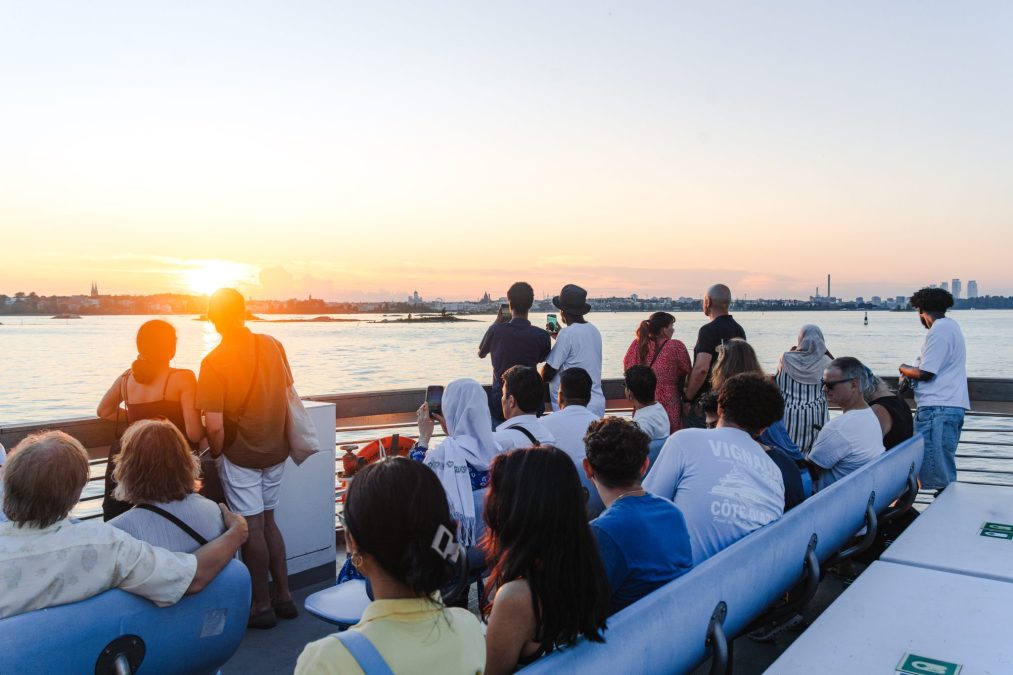
We enable a well-functioning everyday life for city residents by delivering reliable, high-quality services.
We enable a well-functioning everyday life for city residents by delivering reliable, high-quality services. We are committed to delivering a positive customer experience and aim to ensure that every passenger is transported safely and smoothly. We are committed to ensuring the safety of passengers, residents, and traffic, and to maintaining and developing a positive safety culture by managing risk, ensuring employee competence, and maintaining transport vehicles, track infrastructure, and properties.
We also want to be a good neighbour to the city’s residents. That is why we aim to minimise the nuisances caused by traffic, maintenance, and worksites, and to provide advance notice of them.
In the metro transport system, our goal is to have zero accidents. In the tram transport system, we aim to reduce the number of collisions each year. In 2025, the aim was to reduce the number of traffic accidents involving our fleet by 15% from 2024. This target was met, with a 26% reduction.
Safe transport is the foundation of our operations. We provide training for all our drivers in-house, ensuring a high standard. We use driving simulators in our training, which provide an opportunity to practise a wide range of situations safely and without putting traffic at risk.
We undertake significant construction and maintenance work, often in central locations. We aim to reduce nuisances caused by our construction projects and shorten their occurrence through measures such as effective planning and active cooperation among different parties. In our largest projects, we also involve residents in project planning and in managing and minimising disruptions. Continuous, proactive communication keeps our stakeholders informed about the progress of our projects and enables them to prepare for potential adverse impacts.
Tram traffic inevitably generates some noise, but we prevent noise pollution through continuous, proactive fleet and track maintenance. We monitor noise levels based on both our own observations and resident feedback. If excessive noise is detected, we take the necessary mitigation measures without delay.
If you notice noise or other disturbances caused by our operations, please let us know.